連関資料 :: a

資料:4,406件
-
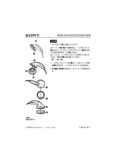
 SonyHEADPHONE(PLM-A55,A55E,S700,S700E)
- 1998 Sony Corporation Printed in Japan 3-866-570-01(1) 日本語 ヘッドホンの取り扱いについて カバーリングA に強い力が加わると、ヘッドホンケース B からカバーリングとヘッドホンドライバーC が外れる ことがありますので、ご注意ください。 カバーリング、ヘッドホンドライバーが外れてしまった ときは、下記の手順で付け直してください。 (例: L(左)側) 1 ヘッドホンドライバーの穴D をヘッドホンケースの突 起E に合わせて、ヘッドホンドライバーをはめ込む。 2 突起F を曲線G に合わせて、カバーリングを取り付け る。 ご注意 R側は対称です。 PLM-A55/A55E/S700/S700E English Note on using the headphones Be careful not to apply excessive force on the cover band A of the headphone. If the cover band comes off and the headphone casing B b
- SONY ソニー ヘッドホン 取扱説明書 マニュアル
 全体公開 2009/04/08
- 閲覧(1,924)


-
 広告について マーケティング 合格レポート A
- 広告について述べます。 1.広告の役割 広告は人間をめぐる環境の変化とともに変化し、日常生活の中でなくてはならないものになっている。消費者の購買欲を刺激するため様々な趣向をこらした広告は、生活に潤いを与え、商品やサービスの情報を、適時に適切な媒体により、最適に消費者に伝えるコミュニケーション手段であり、広告は生活程度と密接な関係をもち、経済的、社会的進歩に不可欠なものとなっている。 広告は社会における情報伝達の一形態であるが、主に企業からの情報を多く含み、コミュニケーションをもって見込購買者を説得することが本質的要素である。しかし、商業ないしマーケティング目的を第一義としながらも、ソーシャル・アドバタイジングなどにみられる、社会福祉の増進も含み広く多目的な活動としてとらえることができる。 2.広告の種類と使い方 広告は消費者の立場からみて情報の媒体であり、販売者の立場からすると基本的には消費者が買うように仕向けて行く説得と勧誘の媒体である。広告の送り手の利害得失という観点からみると、商品広告、企業広告、ソーシャル・アドバタイジングに大別することができる。 商品広告 広告の大部分は、製
- 環境 マーケティング 日大 社会マーケティング レポート
 550 販売中 2009/06/01
- 閲覧(2,533)

-
Gender Differences in a Society
- The article "Think Again: Men and Women Share Cognitive Skills" from the website The Psychology Matters focuses on gender differences in performing in math-related fields from cognitive perspective. Generally speaking, men are good at mathematical and scientific problem solving while women are better in communication skills. Some evidences reported by Hyde, Spelke, and Spencer show rather than genetic factors, cultural contexts are the powerful elements which create this gender stereotype statement. Both boys and girls have equal ability to perform in math and science problems. However, as they get older, more men go on to math and science related fields. The article in The Psychology Matters states the reason for this phenomenon is more men are given opportunities to train in math and science problems. Another factor is the way math and science tests are given or how they are expressed. For instance, when women took tests in Spencer's study, given positive statements which overcome the gender disparity, they did better than those who were given negative statements based on stereotype. The cultural context within a society plays a great role in making gender differences. Since cognitive skills in math and science are not fully determined by biological factors, changing the way people are educated is essential to eliminate the gender differences. First, men and women will probably have an equal opportunity of going into math-related working forces if they are trained in proble
- レポート 心理学 認識心理学 性差 理数 ジェンダー
- 550 販売中 2006/11/20
- 閲覧(2,347)




-
 A6109 日本国憲法
- 法の下の平等について 国の最高法規である日本国憲法の14条第1項において「すべての国民は法の下に平等であって、人種、信条、性別、社会的身分又は門地により、政治的、経済的又は社会的関係において、差別されない」とある。つまり、「法の下の平等」とは、私達国民1人1人が、国家との法的権利において等しく扱われなければならないと考えられている。現代の憲法において自由と並んで、この「法の下の平等」が保証されるまでには長い歴史がある。第2時世界大戦の時代の明治憲法では、国民の自由は理不尽に制限されていた。基本的人権を尊重した現代の憲法は、平等思想であり、個人の自由も承認している。自由と平等が、人権思想の根底にあり、それを具体化したものが最初に述べた憲法の中の平等原則である。 では、平等に扱われるというのは、どういうことなのか。現在、憲法において厳しく差別を禁止し、平等に扱われるようにされている事を考えてみる。 先ず、「人種」について。これは、先天的に定まったものであるが、身体的特徴(肌の色、毛髪、目、体型など)によって区別される人類学的な人間の分類の事である。日本においては、ア
- 日本国憲法 法の下の平等 A判定
- 550 販売中 2008/08/20
- 閲覧(2,884)

-
教育学①A0009
- 「教本の本質について詳述せよ。」 Ⅰ はじめに 戦後の日本の教育は、欧米の先進国に追いつけ追い越せのもと、社会の経済的豊かさを求めて「集団の水準を優先」「全体のレベルアップを大事に」の教育として展開されてきた。それは効果的であった。しかし、いじめや不登校といった教育問題の噴出、心の教育や学力充実の問題、日本という国を支えリードする人材の育成など、課題は多い。 今、教育改革が打ち出され、制度の見直しが図られて新教育課程が全面実施された。教育行政や管理職の立場で改善や考え直さなければならないことは多くあるが、何より子どもたちの前に立ち直接指導にあたる教師たちの「意識改革」がもっとも大切であろうと考える。 Ⅱ 教育者の意識 「学校が変わる」「教育が変わる」にしても、教師が変わらなければ真の教育に達しない。真の教育とは何かについては、後に考え述べるとする。 経済状況が変わりつつあるなか、終身雇用の庇護の下にいたサラリーマンは、今や気楽な稼業どころか、生き残りに汗と血を流している。教師だけが安逸を貪っているわけにはいかないはずであるが、いっこうに危機感を持とうとしない。および教育の本質
- 佛教大学 通信 レポート 教育 教本 本質 問題 記載例
- 660 販売中 2008/09/09
- 閲覧(2,114)

-
教育学②A0009
- 「国際理解教育について説明せよ。」 Ⅰ はじめに 国際理解教育とは、「多様な文化が存在し、人間も他の生き物も相互依存の関係でいきる世界で、地球市民としての責任を果たし、同時に自己の可能性を活かして豊かな人生を送るのに必要ないきる力、姿勢・知識・技能を身につけるための学習であり教育である。」 誰もが平和で公正な世界を願っていながら、私たちの住む地球は、戦争・貧困・開発・差別・人権・環境問題など様々な問題を抱え続けている。「国際理解教育」は、このような地球規模の課題に対し、世界の現状を知る・課題に気づき考える・自分にできることを実行するというプロセスで学習に取り組む教育のことである。このような参加体験型・課題解決型の学習を通して「他文化共生の理念を育み、平和で公正な地球社会づくりに参加する態度を養うことを目的としている。 Ⅱ 国際理解教育のねらい 国際理解教育のねらいは、知識だけでなく、考える力・思いやる心・理解し合おうとする態度を養うことにある。対象年齢や今までの取り組みなどによって、様々な「ねらい」や「方法」が考えられている。具体的例を挙げ「ねらい」にそった「方法」を示す。 初
- 通信 レポート 教育 佛教大学 国際
- 550 販売中 2008/09/09
- 閲覧(2,270)